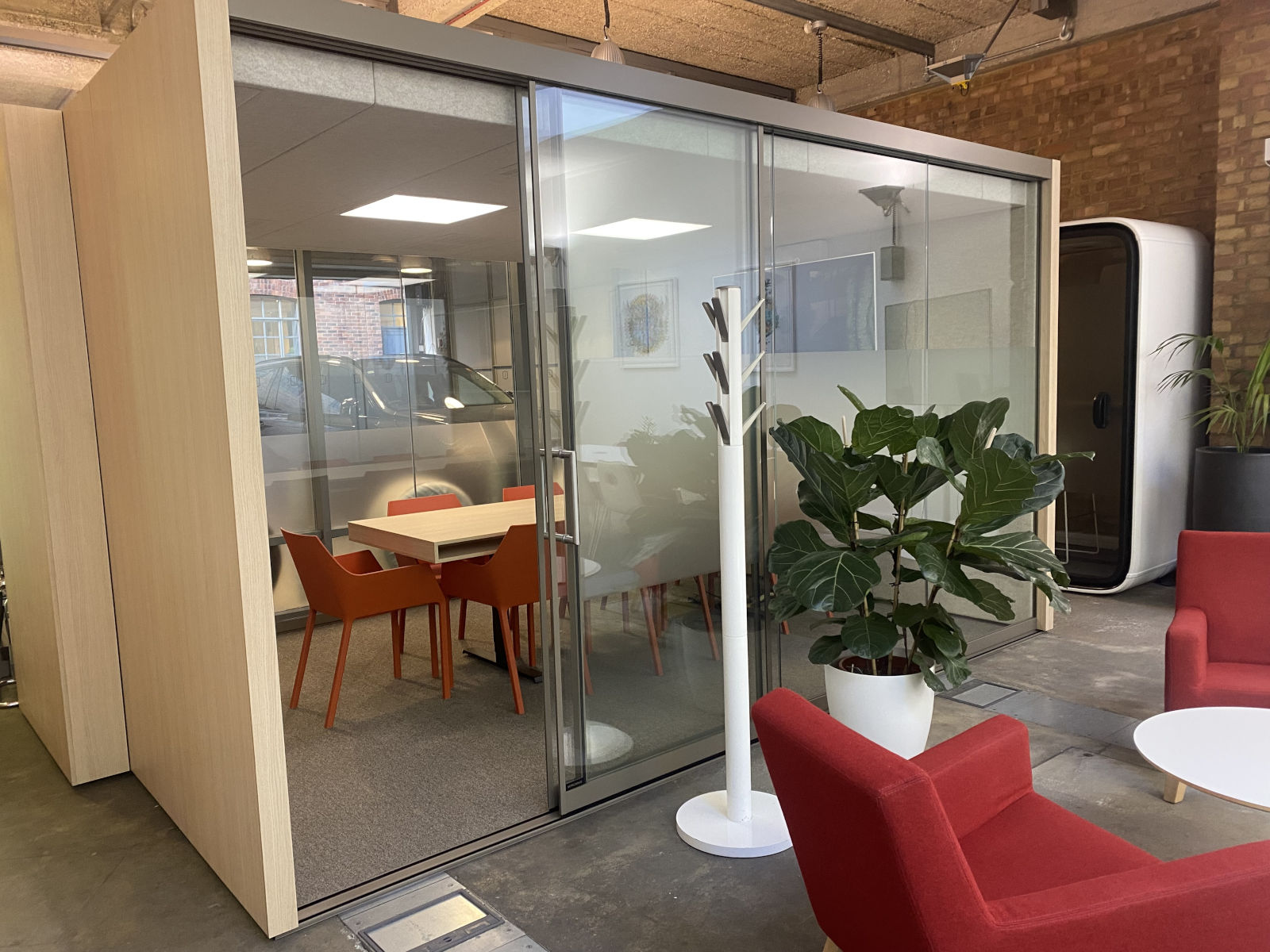
If you book meeting rooms in central London regularly, you probably know two things already:
- Prices can swing wildly for what look like very similar rooms.
- The real bill is often higher than the headline rate once AV, coffee, and overtime are added.
This guide is about helping you become a value finder – not just hunting for the lowest price, but making sure you get the best total value from flexible office meeting rooms, with no hidden fees and no budget shocks.
As a flexible workspace operator, eOffice lives in this world every day. Below, we’ll unpack how pricing actually works, what a fair rate looks like in central London, and the booking tactics used by savvy teams to keep costs under control.
Quick Answer What Does A Flexible Office Meeting Room In London Actually Cost
Let’s start with the numbers. Looking across London meeting room marketplaces and flexible workspaces, a few clear patterns emerge. (Source: turn0file11) (Source: turn1file6) (Source: turn1file7)
Typical price ranges in central London flexible offices (per room, not per person):
- Small huddle rooms (2–4 people)
• Rough guide: £20–£40 per hour in flexible offices, sometimes a little less outside core hotspots.
• Some basic or introductory offers come in closer to £10–£15 per hour in more budget-focused locations. (Source: turn1file17) (Source: turn0file11)
- Standard meeting rooms (4–10 people)
• Rough guide: £35–£80 per hour, depending on postcode, design quality, and included tech. (Source: turn0file11) (Source: turn1file16)
• Half‑day rates (3–4 hours) are often priced at 2.5–3.5x the hourly rate.
• Full‑day rates (7–8 hours) are typically 5–7x the hourly rate, giving a discount compared with paying strictly by the hour.
- Boardrooms and larger spaces (10–30+ people)
• Rough guide: £80–£200+ per hour for well‑equipped boardrooms and training rooms in prime central locations. (Source: turn1file6) (Source: turn1file7)
• Iconic heritage rooms and event‑style spaces can reach £300–£500+ per hour.
- Booking units
Most London operators – including flexible workspaces rather than hotels – will let you book by the hour, half‑day or full day, rather than insisting on day‑rate only. (Source: turn0file6) (Source: turn0file11)
These ranges give you a benchmark. The question now is how to decide whether a specific room is good value – and how to avoid nasty surprises when the invoice lands.
What Really Drives Meeting Room Pricing In Flexible Offices
Flexible office operators all use a similar pricing logic. Understanding it turns you from a price‑taker into a confident negotiator.
1. Location Within London
Postcode still matters. Spaces in Zone 1 business districts – think West End, City, and key transport hubs – cost more than those a few stops further out. You’re paying for:
- Shorter travel times for clients and team members.
- Proximity to stations and amenities.
- The prestige of a central business address.
A room that’s £20 per hour cheaper, but adds 45 minutes of travel for eight people, may be a false economy once you factor in time cost and fatigue.
2. Room Size And Layout
You’ll see different price points for:
- 2–4 person huddle rooms.
- 6–8 person project rooms.
- 10–12 person boardrooms.
- 20–30+ person training or workshop spaces.
Most providers anchor their price to maximum capacity plus flexibility of layout (boardroom, classroom, cabaret, theatre, U‑shape, etc.). You’re paying for both seats and the ability to reconfigure.
3. Included Technology And Hybrid Capability
In 2026, tech is one of the biggest price differentiators:
- Basic rooms: strong Wi‑Fi, a screen, HDMI, and maybe a whiteboard or flipchart.
- Hybrid‑ready rooms: integrated video‑conferencing hardware, room mics, cameras, and better acoustics.
Marketplaces and workspace sites increasingly list these inclusions explicitly because they change the value of the room – and sometimes add surcharges if you need extra AV equipment. (Source: turn0file11) (Source: turn1file19)
4. Time Of Day Day Of Week And Seasonality
Common patterns:
- Mid‑mornings and mid‑afternoons mid‑week (Tue–Thu) are peak times.
- Early mornings, late afternoons, Mondays, and Fridays can be quieter.
- Q2 and Q4 often see more strategy days and board cycles, which drives demand.
Some operators flex pricing for off‑peak slots, especially when rooms would otherwise sit idle.
5. Booking Lead Time And Commitment
- Last‑minute availability: you may get a discount on space that would otherwise go unused – or pay more if you need a very specific slot at short notice.
- Recurring bookings: repeated monthly or quarterly sessions often qualify for preferential rates or credit bundles, because they help the operator plan utilisation.
6. Extras And Services
Beyond room hire, you might need:
- Filter coffee, speciality coffee, teas, and snacks.
- Breakfasts, working lunches, or evening catering.
- Room setup and reset for complex workshops.
- Additional breakout spaces or phone booths.
In a transparent pricing model, you should be able to see which of these are included and what each extra costs before you confirm.
The Problem Hidden Fees And Fuzzy Pricing
Flexible offices have made booking easier, but pricing can still be opaque. Typical pain points teams report:
- Headline rate excludes essentials – Wi‑Fi, screens, or flipcharts treated as ‘extras’.
- AV and hybrid charges added at the last minute.
- Catering mark‑ups that only appear on the final invoice.
- Early access and over‑run fees triggered by setup time or a meeting that runs 15 minutes long.
- Weekend and evening surcharges buried in the small print.
- Unclear VAT treatment – is the price you saw inclusive or exclusive?
Individually, each line item might be reasonable. Collectively, they can add 30–50% to the bill if you didn’t know to budget for them.
For value‑seeking bookers, the goal is not just finding a low hourly rate – it’s securing predictable, all‑in pricing for the level of experience you need.
A Simple Way To Compare Value Effective Cost Per Person‑Hour
To compare different meeting rooms (and justify spend internally), use a per person‑hour view of cost.
Step 1 – Estimate the full cash cost
Room hire
- tech surcharges
- food and drinks
- any platform or service fees
= total cash cost
Step 2 – Work out person‑hours
Number of attendees × meeting length (in hours) = total person‑hours.
Step 3 – Calculate effective cost
Total cash cost ÷ total person‑hours = cost per person‑hour.
Example
You’re choosing between two central London options for a 10‑person, 4‑hour strategy session.
- Room A: £80 per hour including Wi‑Fi and screen, plus £120 for refreshments.
• Total cash cost = £80 × 4 + £120 = £440.
• Person‑hours = 10 × 4 = 40.
• Cost per person‑hour = £11.
- Room B: £60 per hour headline rate, but AV at £40 and refreshments at £150.
• Total cash cost = £60 × 4 + £40 + £150 = £430.
• Person‑hours = 40.
• Cost per person‑hour = £10.75.
On pure cost per person‑hour, Room B wins – but only if the hybrid tech and catering quality are comparable and there are no extra service charges. If Room A is in a better‑connected location that saves your team time, it might still be the better value choice overall.
This is the lens many CFOs and operations leaders now use: not “Is this cheap?” but “Is this good value for what it enables?”
Booking Tactics That Unlock Better Value Without Compromising Experience
Here are practical levers you can pull when booking flexible office meeting rooms in central London.
1. Flex Your Time And Day
If your meeting isn’t locked to a specific slot:
- Avoid the most in‑demand windows (10:00–12:00 and 14:00–16:00 on Tuesdays to Thursdays) when prices and demand peak.
- Consider early or late sessions – an 08:30–10:30 or 16:00–18:00 slot can sometimes be priced more attractively.
- Look at Mondays and Fridays; they’re increasingly popular for hybrid team days, but some locations still price them more flexibly than mid‑week.
Ask providers directly whether they offer off‑peak rates; many don’t advertise this, but will move for a good repeat client.
2. Right‑Size The Room
Teams often over‑spec capacity ‘just in case’, and pay a premium for empty chairs.
- If you’re planning for 8–10 people, you rarely need a 16‑person boardroom.
- For hybrid sessions with 4–5 people on‑site and the rest dialling in, a well‑equipped 6‑person room will often beat a large, echo‑y space with no AV.
A good provider will help you match realistic attendance to room size rather than upselling blindly.
3. Compare Hourly Vs Half‑Day Vs Day Rate
Because many providers allow hourly, half‑day, and full‑day bookings, you can often save by choosing the right unit. (Source: turn0file6) (Source: turn0file11)
Rules of thumb:
- If you need more than 3 hours, half‑day usually beats pure hourly.
- If you’re running back‑to‑back sessions, a full day may be cheaper (and more relaxing) than shuttling between venues.
When in doubt, ask the venue to show you all three options side by side so you can compare the effective person‑hour cost.
4. Use Recurring Bookings And Bundles
If you:
- Run a monthly board meeting,
- Host quarterly strategy days, or
- Bring a hybrid team together regularly,
…then you have leverage.
Many flexible offices will offer:
- Discounted recurring slots (e.g. same room, same time each month).
- Credit bundles that you can call down for different rooms across a network.
This gives the operator predictability and gives you a lower – and more stable – unit cost.
5. Decide On Catering Strategy Up Front
Food can swing the bill by hundreds of pounds.
- For shorter, focused meetings, good coffee and light snacks are usually enough.
- For all‑day sessions, a simple working lunch often delivers better value (and energy levels) than elaborate catering.
- Clarify whether you can bring in external catering and whether there are corkage or service fees attached.
Transparent operators will provide itemised menus with per‑head pricing so you can decide what’s worth it.
6. Look Beyond The Headline Rate For Efficiency Gains
Value isn’t only in the price tag:
- Does the room come with on‑site support to help with tech and logistics?
- Are there breakout areas and phone booths nearby so people can step out without disrupting the main session?
- Is the building easy to navigate for guests, with clear signage and reception?
Spending an extra £10–£20 per hour to avoid 20 minutes of wasted time at the start of every meeting can be a bargain.
What Transparent No‑Hidden‑Fees Pricing Should Look Like
No‑hidden‑fees claims are easy to make and harder to live up to. Here’s a practical checklist you can use with any flexible office provider (including us at eOffice).
A genuinely transparent meeting room offer should:
- Show the full room hire cost clearly
– Including whether prices are ex‑VAT or inc‑VAT.
- List everything that is included as standard
– Wi‑Fi, screen or projector, basic adapters, whiteboard/flipchart, standard furniture, and access to shared facilities.
- Spell out optional extras with unit prices
– e.g. additional microphones, hybrid meeting kits, extra flipcharts, upgraded catering packages.
- Explain time‑related charges
– Early access for setup, late‑finish rates, overtime increments (e.g. charged per 30 minutes or per hour).
- Disclose any platform or service fees
– Especially when booking via third‑party marketplaces.
- Publish a clear cancellation and amendment policy
– Including how far in advance you can move or cancel without penalty.
- Provide a single, itemised quote or invoice
– So finance teams can see at a glance what was spent on room hire vs food vs AV.
When you see all of this before you click “book”, you know you’re dealing with a genuinely transparent provider.
How eOffice Approaches Meeting Room Pricing
At eOffice, our goal is straightforward:
To make meeting room hire in central London predictable, good‑value, and free from unpleasant surprises.
Practically, that means:
- Competitive pricing within the London market ranges above, with rates that reflect room size, location, and tech – not just how much we think we can charge.
- Clear inclusions on every meeting room page, so you can see at a glance what you’re getting for the price.
- No hidden compulsory extras for essentials like Wi‑Fi or a basic screen.
- Transparent add‑ons for enhanced AV and catering, so you can control how much you spend.
- Flexible booking units (hourly, half‑day, full‑day) to match how your team actually meets.
If you’re comparing options, our team is happy to help you run the per person‑hour calculation and contrast different room sizes, locations, and formats so you can evidence the value internally.
A Practical Checklist Before You Book Your Next Meeting Room
Use this checklist as a quick, reusable framework – whether you book with eOffice or another flexible office provider.
Before you search
- How many people do you realistically expect on‑site?
- Do you need hybrid meeting tech, or will a simple screen and laptop do?
- What’s your maximum budget per person‑hour?
- Is central London non‑negotiable, or would a short tube ride be acceptable?
When reviewing options
- Is the hourly / half‑day / day pricing clear?
- Are Wi‑Fi, screen, and basic furniture included in the rate?
- Is VAT clearly labelled?
- Can you see an itemised list of extras (catering, AV, overtime)?
- Do photos and floor plans match how you plan to use the space?
Before you confirm
- Have you asked about off‑peak, recurring, or bundle discounts?
- Do you understand the cancellation and amendment terms?
- Have you double‑checked any weekend or evening surcharges?
- Have you sanity‑checked the effective cost per person‑hour?
If you can tick these boxes and still feel comfortable with the number, you’ve almost certainly found genuine value.
FAQs Flexible Office Meeting Room Prices In Central London
How much does it cost to book a meeting room in a flexible office in London?
For flexible office meeting rooms in central London, you’ll typically see:
- Small huddle rooms (2–4 people): around £20–£40 per hour, with some budget options closer to £10–£15. (Source: turn1file17) (Source: turn0file11)
- Standard rooms (4–10 people): around £35–£80 per hour, depending on location and spec. (Source: turn0file11) (Source: turn1file16)
- Larger boardrooms and training rooms (10–30+ people): £80–£200+ per hour, and up to £300–£500 per hour for high‑end, iconic spaces. (Source: turn1file6) (Source: turn1file7)
Half‑day and full‑day rates often work out cheaper per hour than pure hourly bookings.
What is a good price for a meeting room for 10 people in central London?
For a 10‑person room in a flexible office, a fair central London range is usually £45–£100 per hour, depending on:
- Exact postcode and building.
- Design and fit‑out.
- Whether full hybrid AV is included.
- Whether refreshments are bundled or separate.
To judge value, calculate your cost per person‑hour and compare it against what the meeting is meant to achieve.
Is hourly or day‑rate better value for meeting room hire?
- For shorter sessions (under 3 hours), hourly can be cheaper and more flexible.
- For 3–5 hour blocks, half‑day often offers the best value.
- For team days, workshops, or multiple sessions, full‑day rates usually win on cost per person‑hour – and are operationally smoother.
If you’re unsure, ask for a quote that shows all three options for the same room and date.
How do I find affordable meeting rooms without compromising on quality?
- Be flexible on time and day.
- Right‑size the room – don’t overpay for unused capacity.
- Decide how important location prestige vs. travel time is for this particular meeting.
- Prioritise hybrid‑ready tech and reliability over aesthetic extras if you’re budget‑sensitive.
- Use recurring bookings or bundles if you’re a frequent user.
A well‑chosen flexible office space in central London can feel premium while still delivering excellent value.
How can I avoid hidden fees when booking a meeting room?
- Ask explicitly: What, if anything, is not included in this rate that people often assume is included?
- Request an itemised quote that separates room hire, AV, food, and any platform fees.
- Confirm whether setup time and over‑runs are chargeable and at what increments.
- Check whether prices are inclusive or exclusive of VAT.
If a provider struggles to answer these questions clearly, that’s a signal to keep looking.
If you’d like to stress‑test your current meeting room spend or plan a more cost‑efficient schedule of team days and client sessions, the eOffice team can help you run the numbers and explore options across our central London locations.