
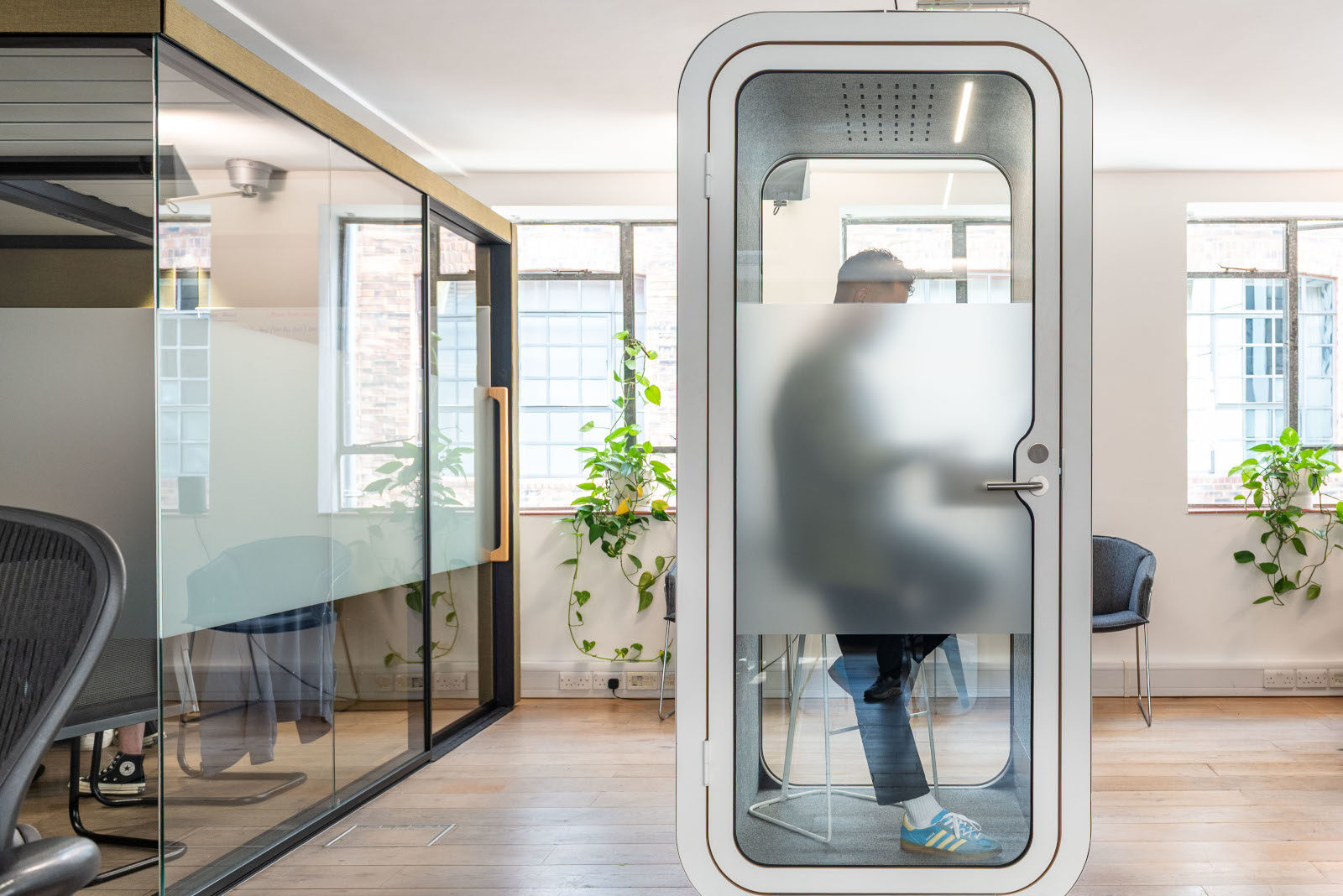
You do not choose a private office suite only for the desks and postcode.
You choose it for how easily your team can get work done together.
If your leaders are constantly hunting for a free meeting room, or rescheduling client calls because every space is booked, the problem is rarely the building. It is the way meeting room access is structured.
This guide walks through how to think about included meeting room hours, on‑demand booking, conference room availability and scheduling flexibility, so you can choose flexible office space that actually fits your meeting rhythm.
If you only have a minute, start here.
Most teams start by asking how many desks they need.
A better starting point for CEOs is to ask what your average week of meetings actually looks like.
Take 10 minutes to sketch out:
Now, put rough numbers against each for a typical month:
This is your meeting rhythm. Your goal is to choose flexible office space with private offices and meeting rooms that can support that rhythm without constant friction.
Most flexible office space providers in central London will offer some mix of the following.
Meeting room time is bundled into your private office suite rental. You might get a set number of hours per desk or a block of credits for the suite each month.
Upside
Watch‑outs
Here, your private office suite includes access to the building, but meeting rooms are charged separately, usually by the hour or by credit.
Upside
Watch‑outs
Many flexible workspaces offering private offices and meeting room hire will blend the two approaches.
For example, your package might include a base number of hours for internal use, with the option to book extra rooms on‑demand at a reduced rate.
This can work well if you:
Once you know your meeting rhythm, you can translate it into a rough requirement for meeting room access.
Work through these steps:
For example, imagine a 15‑person team in a private office suite in central London, in the office three days a week.
You quickly get to dozens of hours of meeting space a month, even before adding ad‑hoc catch‑ups and 1‑to‑1s.
This is why it is worth being intentional when you compare flexible office space with private suites and bookable meeting rooms.
Ask each provider to help you run your numbers against their plans, so you are not relying on guesswork.
Included hours are only valuable if you can use them when you need them.
When you view a space, stress‑test how meeting room availability will work in practice.
Ask how many meeting rooms and phone booths there are for the number of private office suites on that floor or in that part of the building.
While there is no perfect ratio, you want to feel confident that you can find space for:
Most teams now cluster office days between Tuesday and Thursday. That is when meeting rooms will be under the most pressure.
When you tour a flexible office space with private suites and conference room availability, ask the team:
The mechanics of booking matter to your people.
The smoother this feels, the more your team will actually use the space you are paying for.
Different meeting rhythms suit different approaches to meeting room access.
You will likely benefit from a private office suite with meeting room availability weighted towards generous included hours, plus the ability to top up with on‑demand booking for larger events.
Here, flexible office space with private offices and meeting room booking options on‑demand can work well. A smaller pot of included hours may be enough, as long as you have good access to huddle rooms and phone booths.
In this case, prioritise flexible office space with private suites and meeting rooms for training sessions and workshops that you can scale up when needed. A hybrid model of some included hours plus bookable options will usually give you the best of both worlds.
Use this checklist when you are comparing private office suites for rent with on‑demand meeting rooms in central London.
Capture these answers in a simple comparison sheet for each operator you visit.
To avoid decision fatigue, bring the decision back to three numbers:
Once you have that, the choice between a private office suite with included meeting room hours and a more on‑demand model becomes far easier.
Either way, make sure you are not just comparing pretty photos and postcode, but the real experience of how your meeting rhythm will play out in that building.
If you are exploring flexible office space with private suites and conference room availability in central London, it can be hard to know which option will feel right a few months down the line.
At eOffice, we work with founders and leadership teams to:
Whether you need a private office suite rental with flexible meeting room scheduling for investor calls, weekly team catch‑ups or confidential meetings with clients, our team can walk you through the options and help you pressure‑test them against your calendar.
Next step: bring a snapshot of your typical month of meetings and arrange a short call or tour. Together, we can work out which combination of included hours and bookable options will give your business the space it needs to grow.
Can I find private office suites with meeting rooms included in the package?
Yes. Many flexible workspaces offer private office suites with a set number of meeting room hours included each month, plus the option to book extra time on‑demand if you need it.
Is it better to choose flexible office space with private suites and bookable meeting rooms or one with more included hours?
It depends on how meeting‑heavy your team is. Meeting‑intensive, client‑facing teams tend to benefit from more included hours. Remote‑first or project‑based teams may prefer flexible office space with private suites and meeting room booking options they can dial up and down.
What if my team is growing quickly or our meeting rhythm changes?
Look for an operator that can flex your private office suite and adjust your meeting room package, so you are not locked into a pattern that no longer matches how your team works.
How do I avoid constant fights over rooms once we move in?
Choose a workspace with enough rooms for the number of private office suites, a fair and transparent booking system, and a package that aligns with the real amount of collaboration, project work and client contact your business runs each month.
Please enter your email address to have access to the office detail.
Please enter your email address to have access to the office detail.
Please enter your email address to have access to the office detail.
Please enter your email address to have access to the office detail.
Please enter your email address to have access to the office detail.
Please enter your email address to have access to the office detail.
Please enter your email address to have access to the office detail.
Please enter your email address to have access to the office detail.
Please enter your email address to have access to the office detail.
Please enter your email address to have access to the office detail.
Please enter your email address to have access to the office detail.
Please enter your email address to have access to the office detail.
Please enter your email address to have access to the office detail.
Please enter your email address to have access to the office detail.
Please enter your email address to have access to the office detail.
If you have any questions, require further information and would like pricing details, please get in touch.