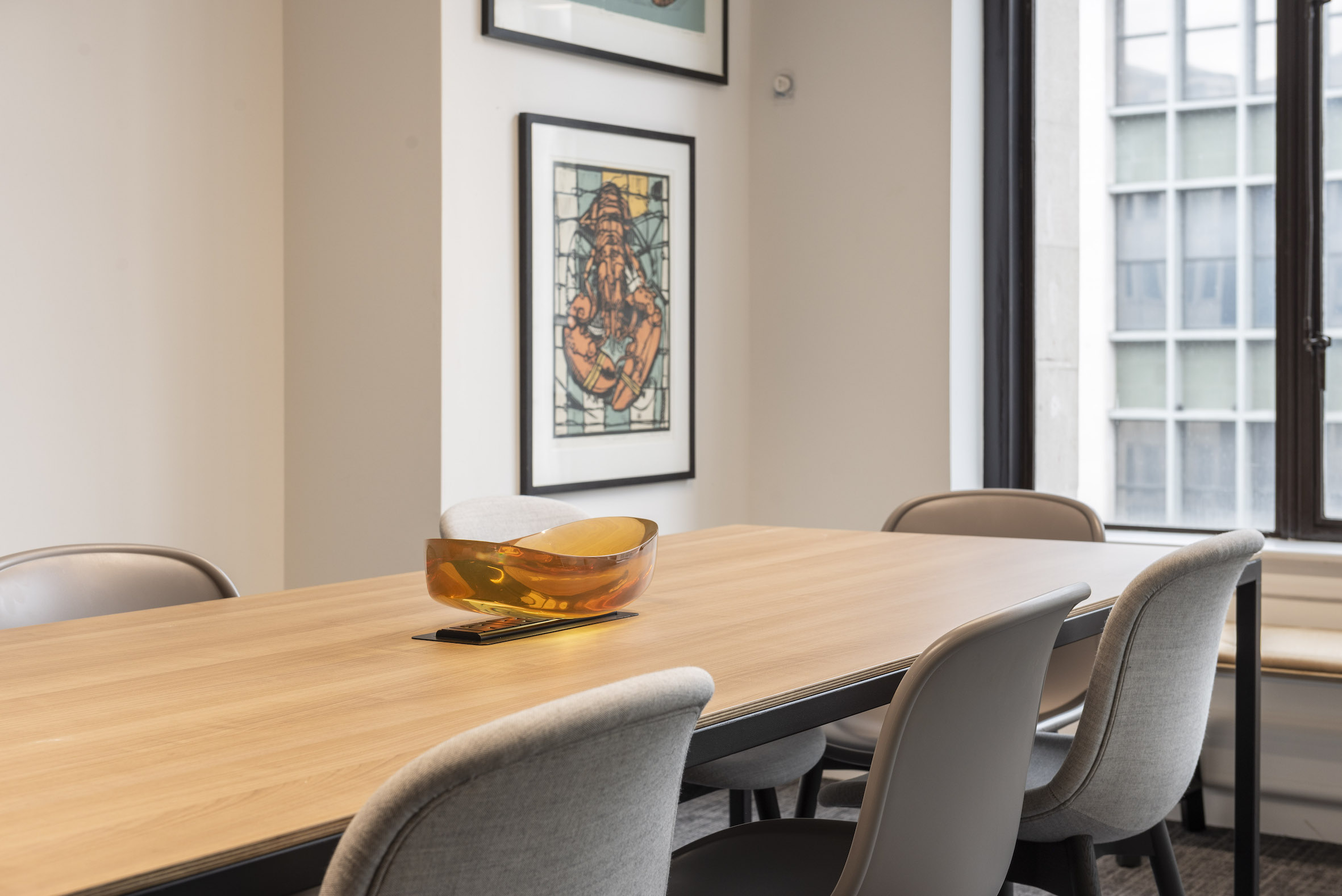
In London’s flexible office market, it is easy to find space and harder to find a workspace that genuinely supports performance, hiring and client perception. For many teams, the differentiator is no longer postcode alone but the quality of the fit-out and furnishings.
Managed offices sit at the premium end of flexible workspace: a full floor or self-contained suite, fully fitted and furnished to your brief, run by an operator under a single monthly agreement. Providers typically bundle the space, bespoke design, furniture, IT, utilities and day-to-day management into one contract, giving occupiers their own branded environment without a traditional lease. (Source: CityFlex; Tally Workspace)
As a Certified B Corporation based in central London, eOffice specialises in flexible managed office solutions with ergonomic desks and chairs, dedicated meeting rooms, breakout areas and fully furnished full-floor offices across Holborn, Soho, Strand and other core locations. (Source: eOffice; eOffice – Managed Office)
This guide is designed to help you decide when a luxury-furnished managed office is the right answer, how furnishing quality impacts performance, and how different types of teams – startups, small businesses, executives and creative teams – should brief their provider.
1. What Makes a Luxury-Furnished Managed Office?
Before you choose by postcode, it is worth aligning on terminology and what ‘luxury’ should mean in a managed office context.
1.1 Managed Offices vs Other Flexible Space
In the UK flex market, managed offices typically offer:
- A self-contained floor or large suite, often with its own entrance.
- A bespoke fit-out to your specification, delivered and operated by the provider.
- One agreement covering rent, fit-out, furniture, IT, utilities, cleaning and facilities management, usually on terms of 12–36 months rather than a long lease. (Source: Spaces Sorted; BizSpace)
This sits between serviced offices and conventional leases: you get the control and identity of your own office with the flexibility and simplicity of a single monthly fee.
1.2 What Counts as ‘Luxury’ in Furnishing Quality?
In a managed office, furnishing quality is not just about designer labels. It is a combination of ergonomics, materials, durability, and how well the furniture supports real work.
Core elements of a luxury-furnished managed office typically include:
- Ergonomic task chairs and adjustable desks that support different body types and working postures, reducing musculoskeletal strain.
- High-density foam or mesh seating, height-adjustable arms and lumbar support for long work days.
- Contemporary meeting and boardroom furniture with integrated power, cable management and high-quality conference seating.
- Premium lounge and breakout furniture – sofas, armchairs, side tables and bar seating that feel closer to a boutique hotel than a basic office canteen.
- Scandinavian-style or design-led finishes – clean lines, timber, soft textiles and biophilic elements that read well both in person and on camera.
- Fully furnished quiet rooms and phone booths with acoustic treatment for video calls.
- High-quality breakout and kitchen furniture, including durable worktops, bar islands, café-style tables and stools.
In eOffice’s managed offices, for example, full-floor spaces in Holborn and Strand are delivered fully furnished with dedicated kitchens, multiple meeting rooms, boardrooms and breakout areas, with utilities and internet included in a single fee. (Source: eOffice – Office Availability)
2. Why Furnishing Quality Matters More Than You Think
Spending more on furniture is not just an aesthetic decision. The research around ergonomics and workplace design is clear: the quality of chairs, desks and environmental conditions has a measurable effect on comfort, health and perceived productivity.
A recent assessor-blinded workplace study of 240 office workers found that adjustable, ergonomic furniture significantly improved postural comfort and reduced neck and lower-back discomfort; when combined with optimised indoor environmental quality, participants also reported higher perceived productivity and lower fatigue. (Source: National Library of Medicine)
Other ergonomics research has linked better workstation design and furniture to improvements in employee well-being and productivity across multiple sectors, reinforcing the case for prioritising high-quality desks and seating. (Source: SSRG International Journals)
Workplace surveys also show that professionals rank ergonomic furniture and a comfortable workstation among the most valuable basic features in an office, and that higher-quality work environments can reduce absenteeism. (Source: ergocentric – Hana Workplace Perks)
In practical terms, that means furnishing choices directly influence:
- How long people can work comfortably at a desk.
- How often they break concentration because of discomfort or poor acoustics.
- How your space photographs for job ads, investor decks and client presentations.
- How credible and established your organisation feels when someone steps out of the lift.
The right luxury-furnished managed office will therefore look good, feel good and quietly remove friction from everyday work.
3. Team-By-Team Guide to Luxury-Furnished Managed Offices
Different teams experience the same space very differently. Below, we look at how four common profiles can use furnishing quality to choose the right managed office.
3.1 Flexible Office Space With Luxury Furnishings for Startups
High-growth startups in London typically need flexible office space with luxury furnishings for startups that can signal credibility to investors while still feeling energetic and adaptable.
Team profile
- 8–30 people, growing quickly.
- Mix of engineers, product managers, commercial and operations staff.
- Regular investor meetings, candidate interviews and product demos.
Furnishing priorities
- Ergonomic basics, not beanbags. Early-stage does not have to mean improvised furniture. Adjustable desks and quality task chairs will support long sprint cycles and late nights without the health drag that comes from cheap seating. (Source: TechRadar – Best Office Chairs)
- Modular desking for headcount changes. Choose bench systems and tables that can be reconfigured as you double in size, rather than fixed workstations.
- Writable and collaborative surfaces. Generous whiteboards, mobile screens and project tables for stand-ups, retros and roadmap sessions.
- Simple status cues. A well-furnished boardroom, good breakout furniture and tidy cable management will do more for investor confidence than any neon sign.
Scenario planning for startups
- Day-1 layout. Plan around your current team plus a realistic 6–12-month growth factor. Managed offices allow you to set the initial fit-out so that additional desks can be added without re-wiring the whole floor.
- Investor and demo days. Ensure your managed office includes a properly furnished meeting room with a good table, comfortable chairs and integrated screens; this space should feel more like a boutique hotel meeting room than an improvised huddle corner.
- Hybrid rhythm. If most engineers are in two or three days per week, favour fewer fixed desks and more high-quality collaboration areas where cross-functional teams can work together on in-office days.
What to look for in photography
When you review listings or the eOffice office availability page, focus on shots that show: (Source: eOffice – Office Availability)
- Clusters of ergonomic desks and chairs, not a sea of mismatched furniture.
- Breakout nooks near windows that would suit informal design reviews.
- Clean, modern kitchens and coffee points that feel like a perk for a small team.
- At least one meeting room that looks ‘board-ready’ for investor updates.
Location nuance (Holborn, Soho, Strand)
- Holborn / Covent Garden works well for B2B or fintech startups who want proximity to legal, financial and corporate clients.
- Soho and Soho HQ favour consumer, media or product-led startups who care about being in a creative neighbourhood.
- Strand / Covent Garden is ideal if your team works across media, policy, legal or cultural sectors and needs fast access to the West End and the City. (Source: eOffice)
3.2 Managed Office Space With Top-Quality Furnishings for Small Businesses
Established small businesses – agencies, consultancies, niche professional services – benefit from managed office space with top-quality furnishings for small businesses that communicates stability, reliability and care for staff.
Team profile
- 10–60 people with relatively stable headcount.
- Mix of focused desk work and client-facing activity.
- Frequent small meetings, training sessions and calls.
Furnishing priorities
- Consistent ergonomic set-up for every workstation. Avoid a two-tier experience where partners have good chairs and everyone else makes do; in a managed office, you can specify a single high-quality standard across the floor.
- Durable meeting and breakout furniture. Tables and seating must tolerate daily use, catering and occasional events without looking tired after a year.
- Fully furnished meeting rooms. Look for a range of room sizes, all properly furnished with tables, comfortable chairs, display screens and decent video-conferencing equipment.
- High-quality breakout spaces. Staff will use these for lunch, informal 1:1s and short breaks, so café-style tables, comfortable sofas and robust kitchen fittings matter.
Scenario planning for small businesses
- Client journeys. Map the path from lift lobby to reception, meeting rooms and the main office. Does the furniture along that route consistently reinforce your positioning?
- Training and all-hands. Ensure at least one space can flex between classroom-style seating and social events with stackable, comfortable chairs and foldable tables.
- Three-to-five-year horizon. Managed terms of 24–36 months give enough runway to amortise a higher-spec fit-out that still remains cash-flow friendly. (Source: Tally Workspace)
What to look for in photography
- Reception or arrival areas with tidy, contemporary furniture rather than temporary desks.
- Meeting rooms that show consistent, comfortable seating and integrated screens.
- Breakout areas with proper dining tables, premium lounge furnishings and not just bar stools against a wall.
- Photos that clearly show natural light and quality finishes (floors, joinery, upholstery).
3.3 Managed Office Space With Luxury Furnishings for Executives
Senior leadership teams and executive offices need managed office space with luxury furnishings for executives that balances privacy, gravitas and comfort.
Team profile
- 6–20 executives and support staff.
- Board and committee meetings, investor presentations, analyst briefings.
- Hybrid work patterns with key in-person days each month.
Furnishing priorities
- Executive-grade boardroom. A substantial meeting table with excellent chairs, integrated power, AV and acoustic treatment. Think in terms of hospitality-grade comfort for multi-hour sessions.
- Private offices plus shared hub. A mix of individual offices with high-quality desks and seating, and a central, well-furnished collaboration area or lounge.
- Soft status cues. Materials (solid timber, stone, high-quality textiles), curated artwork and well-chosen lighting that read well on video and reassure stakeholders.
- Discreet technology. Room systems, microphones and speakers integrated into the furniture and ceiling rather than cluttering surfaces.
Scenario planning for executives
- Board and earnings days. Ensure your floor has at least one room designed around a board table with comfortable, supportive chairs and sufficient circulation space so people can move without disruption.
- Confidential work. Specify acoustic doors, sound-absorbing wall and ceiling panels, and soft furnishings in one-to-one rooms to protect privacy.
- Hybrid presence. Prioritise high-quality video-conferencing furniture set-ups, with seating and sightlines designed around the camera, not just the table.
What to look for in photography
- Close-ups of boardroom chairs and tables that show material quality.
- Executive suites or quiet rooms with armchairs, side tables and task lighting.
- Breakout areas that feel like a private members’ club rather than a generic cafeteria.
- Any images of terraces or higher-floor outlooks that underline the prestige of the address.
In central London, managed floors in Holborn, Soho and Strand can accommodate executive suites with dedicated boardrooms and breakout areas within a single, fully furnished office, keeping everything under one agreement. (Source: eOffice – Managed Office; eOffice – Office Availability)
3.4 Managed Office Space With High-End Furnishings for Creative Teams
Agencies, studios and creative departments gain most from managed office space with high-end furnishings for creative teams that supports collaboration, display and experimentation without sacrificing ergonomics.
Team profile
- 10–80 people in design, advertising, film, content, product or game development.
- Highly collaborative, with peaks around pitches, launches and campaign work.
- Mix of computer-based work, physical mock-ups and client showcases.
Furnishing priorities
- Project tables and maker zones. Large, robust tables with high-end stools or chairs for layout work, physical models and collaborative sessions.
- Soft seating near natural light. Sofas and armchairs positioned by windows for informal reviews, critique sessions and decompression; natural light is consistently cited as one of the most valued workplace features. (Source: ergocentric – Hana Workplace Perks)
- Display and pin-up surfaces. Rail systems, shelves or pin-boards designed into the fit-out so work can be displayed without visual clutter.
- Acoustic variety. High-energy open areas balanced with well-furnished focus rooms and editing suites for deep work.
Scenario planning for creative teams
- Pitch preparation. Ensure your managed office includes a flagship presentation room furnished with comfortable seating, a large screen and flexible lighting that shows work at its best.
- Campaign ‘war rooms’. Plan for a room that can be furnished with movable tables, stackable chairs and writable walls to host project teams for periods of intense collaboration.
- Content production. Consider zones with neutral backdrops and attractive, uncluttered furnishings that can double as locations for in-office video and photography.
What to look for in photography
- Images that show teams using the space, not just empty desks – people gathered around large tables, informal sofas in use, pin-up walls alive with work.
- Details: art, bookshelves, plants and textiles that signal a creative culture.
- In Soho and Fitzrovia in particular, look for characterful features (exposed brick, roof terraces, interesting views) set off by high-quality, minimal furniture. (Source: eOffice)
4. Scenario Planning – Matching Fit-Out and Furnishings to the Way You Work
Regardless of team type, the most effective luxury-furnished managed offices start with a clear understanding of how your organisation actually uses space.
Consider the following when briefing your provider:
- Work patterns and occupancy. On your busiest day, how many people are in the office, and what are they doing? Use this to decide the right split between fixed desks, touchdown points and collaboration zones.
- Meeting load. Audit your typical week: small huddles, client meetings, board sessions, hybrid calls. That analysis should drive the number, size and furniture of your meeting rooms.
- Focus vs collaboration. Some teams need library-like quiet zones with highly ergonomic workstations; others thrive in buzzy project areas with more casual seating. Many need both.
- Brand expression. Identify two or three material or colour themes that should consistently appear in furniture and finishes, from reception to breakout.
- Sustainability and wellness. As a B Corp, eOffice emphasises social and environmental responsibility in its workspace solutions; you can reflect that in your brief via sustainably sourced furniture, repairable pieces and layouts that maximise natural light. (Source: eOffice)
By working through these questions early, you give your managed office provider a clear brief for furnishing quality, ensuring ‘luxury’ translates into tangible benefits rather than decorative extras.
5. How eOffice’s London Locations Support Different Team Types
eOffice operates a network of central London workspaces in Holborn, Soho, Soho HQ, Mayfair, Strand, Fitzrovia and Islington, each offering fully furnished private offices and managed floors with dedicated kitchens, meeting rooms and breakout areas. (Source: eOffice; eOffice – Office Availability)
Here is how a few key locations map to different team types:
- Holborn / Covent Garden – Strong choice for startups and small businesses that work with legal, financial or corporate clients. Managed floors here often include large boardrooms and generous breakout areas suited to training and workshops.
- Soho and Soho HQ – Ideal for creative teams, agencies and product-led startups who benefit from a West End postcode, characterful streets and proximity to media and entertainment clients.
- Strand / Covent Garden – Well suited to organisations that bridge media, culture, professional services and policy, with fully furnished full-floor offices that can support executive teams or larger small businesses.
Because eOffice’s managed offices are fully equipped with ergonomic desks and chairs, dedicated meeting rooms, breakout furniture and high-quality IT, you can focus your energy on specifying the details that matter most to your specific team profile. (Source: eOffice – Managed Office)
6. Next Steps – Shortlist, Visit and Brief for the Right Luxury-Furnished Managed Office
To move from theory to action:
- Shortlist by fit-out, not just postcode. Use the office availability listings to identify floors where the existing furniture, layouts and natural light already align with your team’s needs. (Source: eOffice – Office Availability)
- Visit with your scenarios in mind. Walk the space as if you were an investor, a new hire and a day-to-day user. Sit in the chairs, test desks, check sightlines to screens, listen for noise spill between areas.
- Brief your provider in detail. Share your headcount forecasts, meeting patterns, hybrid rhythm and any specific requirements (adjustable desks, fully furnished meeting rooms, premium lounge furnishings, Scandinavian-style finishes, sustainable materials). The more detailed your brief, the more precisely your managed office can be fitted out.
If you are ready to explore a luxury-furnished managed office in Holborn, Soho, Strand or another central London location, you can review current availability and book a tour directly with eOffice’s team.